Sub-Zero & Wolf repair in Chicago.
Independent Sub-Zero and Wolf repair requests in Chicago, IL. Get appliance guidance and confirm ZIP-code coverage at (224) 347-1756.
Call (224) 347-1756 ↗
Building access and a clear symptom history
If your Chicago home is in a managed building, ask about service-elevator reservations, contractor sign-in and parking before choosing a visit. For a townhome or detached home, mention stairs or a narrow route into the kitchen. These access details belong in the first call.
For a double oven, identify the affected cavity and cooking mode; for refrigeration, identify the affected compartment. Have the model number ready so a built-in installation can be discussed before anyone moves it.
Choose the appliance that needs attention
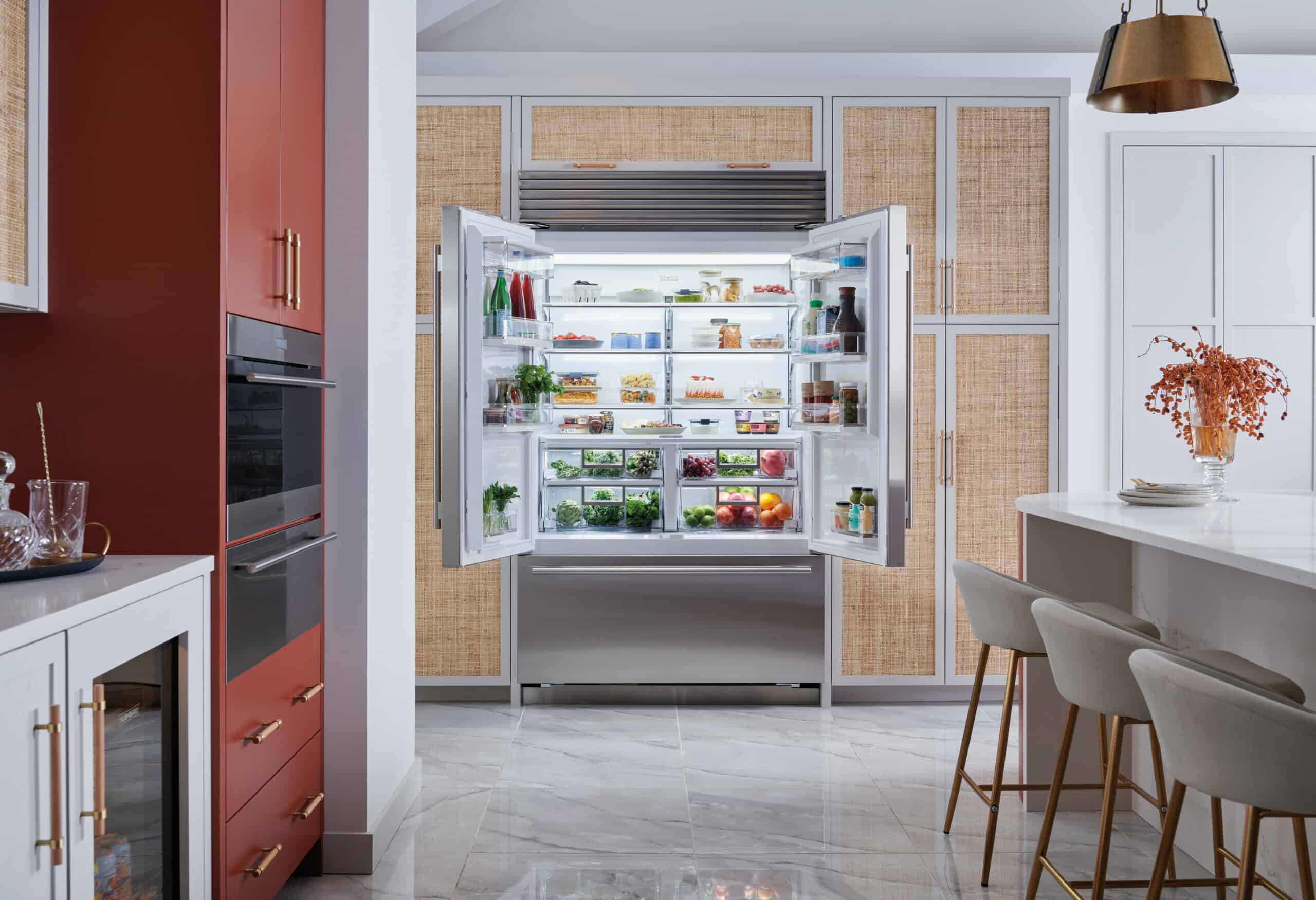
Sub-Zero refrigeration
Cooling, ice, leaks and door-seal concerns for built-in refrigerators and freezers.
Wolf cooking appliances
Ovens, ranges and cooktops with heating, ignition or control issues.
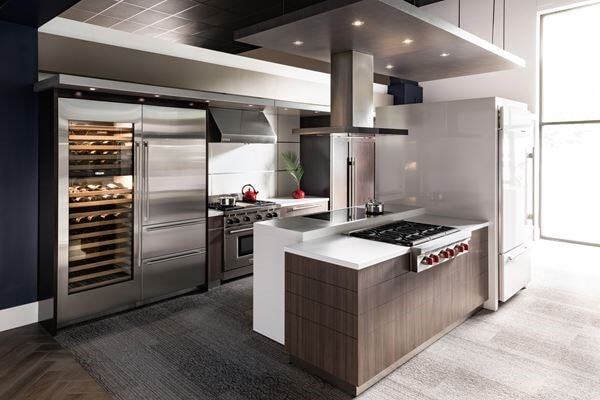
Wine storage
Temperature, door, fan and display concerns in Sub-Zero wine storage.
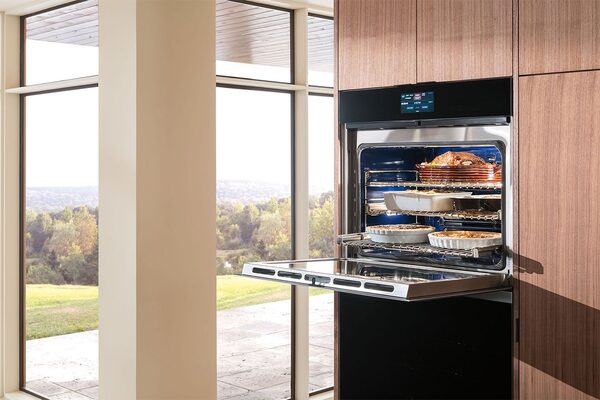
Care & maintenance
Condenser care, accessible seals and a practical maintenance plan.
Before you arrange a visit
- Have the model and serial number ready, along with the main symptom.
- Confirm coverage for your exact ZIP code and current appointment availability.
- Ask about the diagnostic charge, repair approval and parts availability.
- If manufacturer warranty may apply, check the official service channel first.
A useful guide for your request
Nearby service-area information
A condominium with two separate appliance concerns
Imagine a Chicago household reporting a warm refrigerator and an upper oven that will not finish preheating. These are two requests, even when both appliances share the same kitchen. The refrigerator note should identify the affected compartment and any alert. The oven note should identify the cavity, mode and recent history. Before selecting a visit, the person arranging access checks the building’s service-elevator and contractor-entry requirements. This illustrative scenario is not a claim about a completed local job. It shows why a short appliance-by-appliance record is more useful than asking someone to look at everything without a defined scope. Confirm whether both assessments can be included, what charges apply and who will approve the proposed work.
Identify the oven before interpreting its behavior
Begin with the model number and appliance type. A Wolf wall oven, gas range, dual-fuel range and induction range can use different systems. The appearance of the cooktop does not always describe how the oven beneath it heats. If you are unsure, provide the model information rather than guessing at the internal design.
For a double oven, identify the affected cavity. Explain whether the concern is limited to one cavity, one cooking mode or the appliance as a whole. A report that the upper oven does not begin preheating while the lower oven appears to operate gives more useful information than a general statement that the oven is broken.
Record the selected mode, temperature and visible display message. Describe what happens after the control is set: no apparent response, a preheat indication that does not progress or a cycle that starts and stops. Avoid repeated high-temperature trials just to refine the description. Ordinary observations and the model number are enough to begin planning a diagnosis.
Tell the service provider about a recent self-clean cycle, power interruption or change in controls. These events are context, not proof of a particular failure. Keep the sequence clear so the technician can decide what to investigate. Do not bypass a safety device or remove a panel to discover whether a component is receiving power.
Understand the difference between an observation and a diagnosis
A warm compartment is an outcome. It does not tell you which part needs replacement. Door closure, air movement, temperature sensing, controls and refrigeration components are different areas that may need to be evaluated. Naming a compressor before the appliance has been examined can lead a service conversation in the wrong direction. It is more useful to describe what still works and what has changed.
For example, “the freezer is operating, the refrigerator display is on, and the refrigerator compartment became warmer yesterday” gives three distinct observations. “The cooling system is broken” gives a conclusion without the evidence behind it. You do not need technical vocabulary to arrange a productive visit. Plain descriptions, the model number and a consistent timeline are enough to start.
A technician may need to compare operation in more than one area and account for the particular model. An inspection may also need to distinguish the current fault from a separate maintenance concern. If dust is visible, that does not automatically prove that cleaning will resolve the complaint. If a gasket looks worn, that does not prove it explains every temperature change. Ask which findings support the proposed repair and which observations will be checked afterward.
Avoid ordering parts just because an online discussion describes a similar symptom. Two appliances with the same visible complaint can require different work. Ask whether the proposed component is compatible with the exact model and whether any additional findings could change the scope. A clear explanation of what is known, what remains uncertain and what the next step will establish is more helpful than a confident guess made before diagnosis.
Understand diagnosis, approval and completion as separate steps
A diagnostic visit is intended to establish the problem and possible next steps. It does not automatically mean that every required part is already available or that the repair will be completed during the same visit. Ask what the diagnostic charge covers and how a proposed repair will be presented before you choose an appointment.
When a recommendation is made, ask how it relates to the original complaint. Clarify the part or task involved, labor, access requirements and any expected follow-up visit. If more than one issue is found, ask which work is necessary for the current problem and which is optional or separate. This helps keep the approval decision concrete.
Confirm how additional findings or changes in scope will be handled. A clear approval process is more useful than an open-ended instruction to do whatever seems necessary. Ask about applicable warranty terms for the proposed work and retain them with the invoice. Do not assume that independent service is covered by a manufacturer warranty.
If the appliance may qualify for manufacturer-warranty work, contact the manufacturer or use its official service locator before authorizing independent paid service. Keep the choice of service route separate from the urgency of an ordinary appointment. For an immediate hazard, obtain appropriate emergency assistance instead of waiting for a routine repair assessment.
Recognize the limits of preventive care
Maintenance can be part of responsible ownership, but it does not guarantee a particular lifespan or eliminate every possible breakdown. A clean accessible area does not establish that controls, sensors or refrigeration components are functioning correctly. Likewise, an appliance that currently appears to work does not make it appropriate to ignore the manufacturer’s care instructions.
If a symptom persists after cleaning, return to the symptom history. Note what was cleaned, when the task was completed and whether anything changed. Do not repeat the same task indefinitely in place of diagnosis. Ask the service provider what an assessment would involve and what information is useful before the visit.
Avoid replacing parts solely as a speculative maintenance measure unless there is a clear, model-specific reason and you understand the proposal. Request an explanation of the expected benefit, cost and alternatives. A recommendation should be evaluated on the facts of your appliance rather than a general claim about what every owner should buy.
For a possible manufacturer-warranty issue, confirm the appropriate service route first. Keep care records and repair invoices together, but do not assume that independent maintenance creates or extends manufacturer coverage. The practical goal is a clear history, suitable routine care and timely assessment when performance changes—not a guarantee that can be inferred from a cleaning checklist.
Turn these observations into a useful local request
For a visit in Chicago, begin with the exact municipality and ZIP code, then name the appliance and the function that changed. The topics above are selected to help you organize that conversation. They are not claims about which appliances are most common in the community or which failures occur there more often. A service-area page also does not represent a separate branch office.
Keep private property-access details for the scheduling conversation. Confirm current coverage, appointment availability, diagnostic charges and the process for approving work. If your appliance may be covered by a manufacturer warranty, use the manufacturer’s service channel before arranging independent paid work. For an immediate gas or electrical hazard, obtain the appropriate urgent assistance rather than waiting for a routine appointment.
Do you have an office in Chicago?
These pages describe service-request areas. They do not represent separate branch offices. Call with your ZIP code to confirm coverage and availability.
Is this Factory Certified Service?
No. We are an independent repair service, not affiliated with or endorsed by Sub-Zero or Wolf. For manufacturer warranty work, use the manufacturer’s service locator.
