Practical care for the kitchen you love.
Explore 24 detailed Sub-Zero and Wolf articles: owner checklists, cooking concerns, refrigeration care and thoughtful repair planning.
Call (224) 347-1756 ↗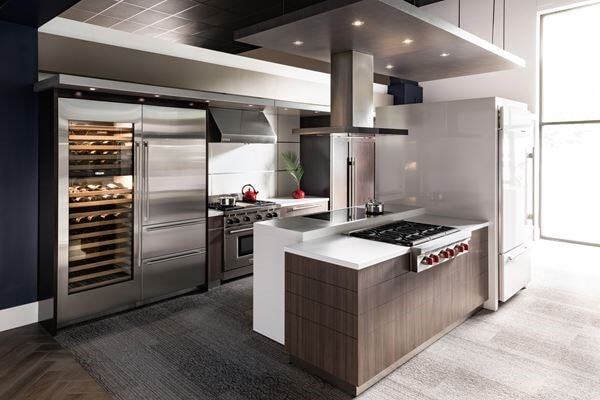
A useful place to start
A kitchen problem often begins with an ordinary observation: a door sounds different, a familiar baking result changes, or a control shows an unfamiliar message. This journal turns those observations into practical next steps. Choose a topic that matches what you can see, read the owner-level checks and use the planning questions to prepare a clearer conversation. The articles cover refrigeration, wine storage, cooking and the decisions around an independent service visit.
The Blog & Vlog section currently offers complete written guides and links to the manufacturer’s owner resources. No demonstration should be treated as universal: model generations, controls, accessories and installation details vary. Before following a procedure, identify your appliance and match the instructions to it. A photograph of a similar product is useful for illustration, but it does not establish that the same cleaning or operating sequence applies.
Refrigeration & wine · Cooking & ventilation · Ownership & planning
24 practical articles, with checklists, service questions and related reading.
Refrigeration & wine
How to keep a useful Sub-Zero temperature log ↗
Separate settings from measurements and record a cooling concern clearly before arranging a service visit.
Refrigeration & wine · Read the guideSub-Zero door not closing: an owner observation guide ↗
Check loose obstructions and describe door behavior without adjusting hinges or moving a built-in refrigerator.
Refrigeration & wine · Read the guideSub-Zero condensation: describe moisture before guessing a leak ↗
Learn to distinguish visible droplets, frost and floor water when preparing a refrigerator service request.
Refrigeration & wine · Read the guideSub-Zero water filter replacement: plan for the exact model ↗
Identify the correct filter, keep a replacement record and separate filter reminders from water-delivery faults.
Refrigeration & wine · Read the guideSub-Zero air purification reminders and odor notes ↗
Use the correct owner instructions for air-filter reminders and keep odor concerns separate from temperature problems.
Refrigeration & wine · Read the guideSub-Zero after a power interruption: a practical record ↗
Organize appliance observations, food-storage decisions and a service request after power has returned.
Refrigeration & wine · Read the guidePlanning Sub-Zero care before an extended absence ↗
Prepare model-specific vacation instructions, household handoff notes and a return-home checklist.
Refrigeration & wine · Read the guideA sticking Sub-Zero freezer drawer: what to observe ↗
Document obstruction, frost and drawer movement without forcing tracks or dismantling an integrated installation.
Refrigeration & wine · Read the guideSmall, clumped or unusual ice: build a useful Sub-Zero report ↗
Separate ice appearance, storage history and production rate when discussing an ice-maker concern.
Refrigeration & wine · Read the guideA practical log for two-zone Sub-Zero wine storage ↗
Track each zone, bottle-loading event and door observation without confusing settings with measured conditions.
Refrigeration & wine · Read the guideRepair or replace a built-in Sub-Zero: compare the whole project ↗
Use diagnosis, installation constraints and written scopes to compare repair with replacement thoughtfully.
Cooking & ventilation
Uneven baking in a Wolf oven: make the comparison useful ↗
Record mode, rack position and cookware before deciding that uneven browning means a failed component.
Cooking & ventilation · Read the guideWolf oven taking longer to preheat: useful timing notes ↗
Compare preheat behavior with the same mode and starting conditions, then prepare a focused service request.
Cooking & ventilation · Read the guideBefore a Wolf self-clean cycle: model-specific planning ↗
Check the correct manual, remove only the specified accessories and keep cleaning separate from unresolved oven faults.
Cooking & ventilation · Read the guideWolf oven door locked: distinguish the door from control lock ↗
Record cycle history and display messages while avoiding force on a hot or locked oven door.
Cooking & ventilation · Read the guideWolf induction pan detection: cookware checks before service ↗
Compare pan compatibility, placement and control status without investigating internal electrical components.
Cooking & ventilation · Read the guideWolf temperature probe: compatibility, handling and useful notes ↗
Use the correct probe and supported cooking mode, and document connection concerns before arranging help.
Cooking & ventilation · Read the guideWolf ventilation filters: build a model-specific care plan ↗
Identify the hood and filter type before cleaning, and keep airflow complaints separate from reminder resets.
Cooking & ventilation · Read the guideWolf gas range or dual fuel: identify the appliance before service ↗
Use the model record to distinguish cooktop and oven functions when arranging a repair assessment.
Ownership & planning
Preparing access to built-in refrigerators and wall ovens ↗
Help plan a service visit around cabinetry, panels and property access while leaving installed appliances in place.
Ownership & planning · Read the guideA practical appliance checklist before hosting ↗
Plan refrigeration, cooking and service decisions before a busy household gathering without unnecessary stress tests.
Ownership & planning · Read the guideQuestions to ask about an appliance repair estimate ↗
Compare diagnosis, work scope, parts and follow-up terms before authorizing a repair.
Ownership & planning · Read the guideMoving into a home with Sub-Zero and Wolf appliances ↗
Build an appliance inventory, gather manuals and record inherited concerns before arranging service.
Ownership & planning · Read the guideHow to record a useful appliance symptom video ↗
Capture an ordinary sound or display change safely, with enough context for a service conversation.
How to use a guide without turning it into a diagnosis
Start with the article’s opening distinction. A temperature setting is not a measured food temperature; a physically locked door is not the same as a control lock; and a filter reminder does not prove that a filter caused every performance complaint. These distinctions keep the first conversation tied to evidence. Write down the exact symptom and the appliance model before choosing a technical explanation.
Use the preparation checklist to decide what information is available. If a time, model detail or prior repair is unknown, leave it unknown. A technician can work with an honest gap more effectively than a confident but incorrect history. Add recent loading, cleaning, power or installation events as context and avoid assuming they caused the problem. Keep each appliance on its own record when several units share the kitchen.
The longer planning sections explain how to prepare access, discuss the scope and evaluate proposed work. They are meant to help you ask useful questions. They do not set a universal repair price, promise same-day completion or replace a model-specific assessment. Ask which finding supports a proposed repair and what ordinary observation should confirm improvement afterward.
A sensible way to use video resources
An owner-care video is most useful when it shows the same model family and the exact routine task you intend to perform. Compare the controls, accessory and access arrangement before starting. Read the written instructions as well, especially where they explain preparation, power state, cleaning materials or cooling time. Pause if the demonstration requires access your installation does not provide safely.
For manufacturer demonstrations, start from the official product-support library linked below and select the appropriate model. This independent service website does not present those resources as its own filmed repairs or as evidence of factory certification. Our article on recording a symptom explains how to create a short, safe clip for a direct service conversation, without recreating a hazardous condition or exposing private property details.
Open official Sub-Zero and Wolf owner resources and use-and-care videos ↗
Choose the right route for your next step
For a current appliance complaint, use the relevant service page and confirm availability with your ZIP code. For an ordinary care question, begin with the manufacturer’s instructions and use the journal to organize a sensible maintenance record. For possible manufacturer-warranty work, contact the manufacturer or use its official service locator before arranging independent paid service. These routes answer different needs and should not be confused.
An immediate gas odor, visible electrical hazard or other urgent safety concern belongs with the appropriate emergency or utility response. Stop ordinary troubleshooting. Do not wait for an article, a recording or a routine appointment to establish whether an unsafe condition can continue. The service telephone number on this site is for ordinary scheduling conversations, not an emergency response system.
Connect the journal with your community
The same symptom can occur in many different installations. Use the city directory for visit preparation and address-coverage questions, and use the journal for the specific appliance concern. Local pages are not claims about local failure rates or separate offices. A useful request combines the exact location, model, symptom and actual access requirements.
Browse all service areas · Read the original troubleshooting library · Prepare a service request
