Sub-Zero & Wolf repair.
For the kitchen you love.
Independent appliance repair in Chicago, the North Shore and nearby suburbs. Thoughtful care for the kitchen you love.
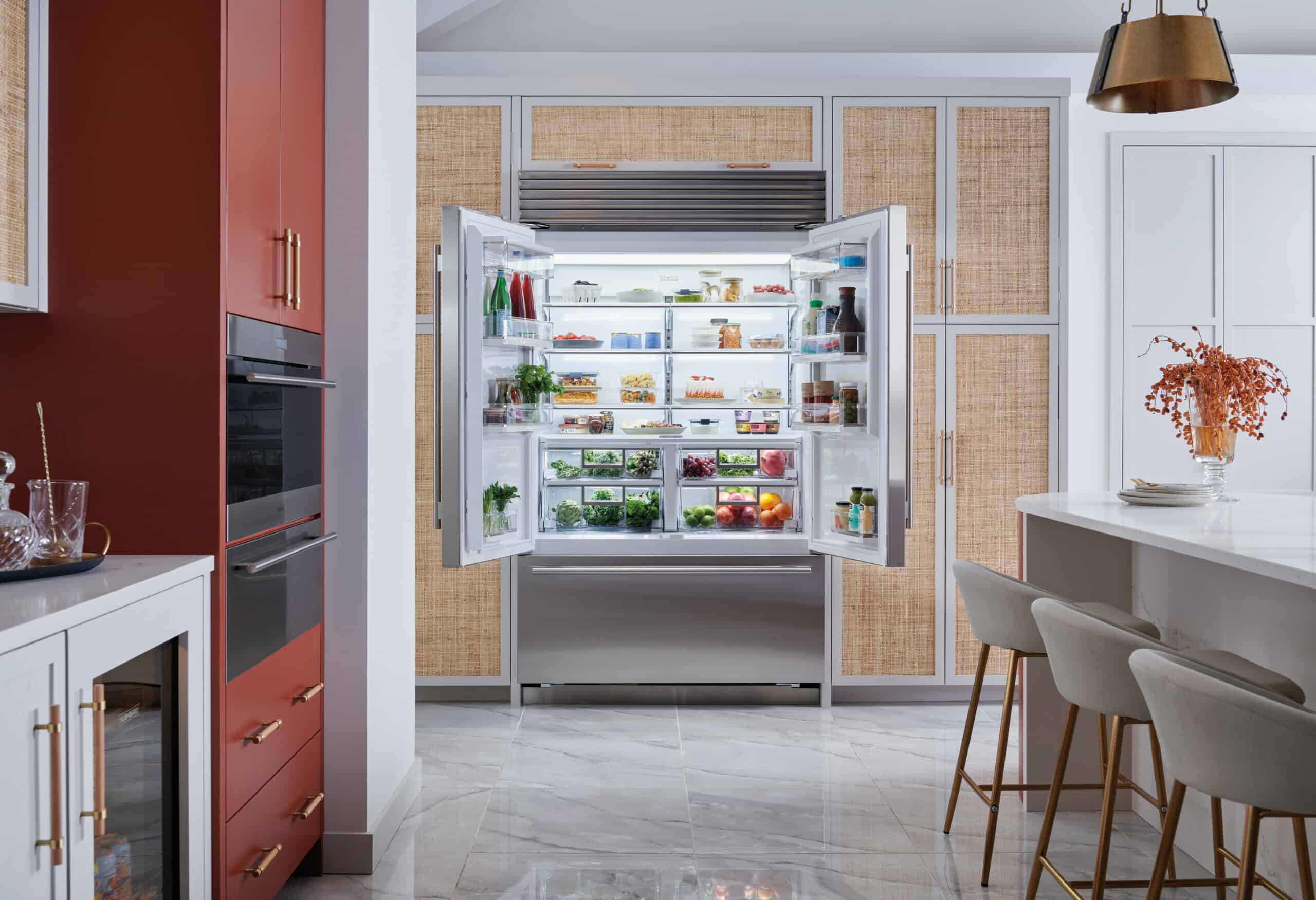 REFRIGERATION · COOKING · WINE STORAGE
Find the right place to start.
One kitchen. Different systems.
Start with the appliance that needs attention.
Sub-Zero refrigeration
Cooling, ice, leaks and door-seal concerns for built-in refrigerators and freezers.
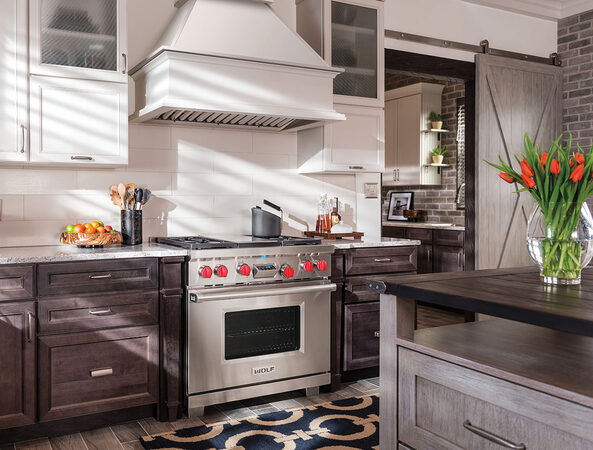
Wolf cooking appliances
Ovens, ranges and cooktops with heating, ignition or control issues.
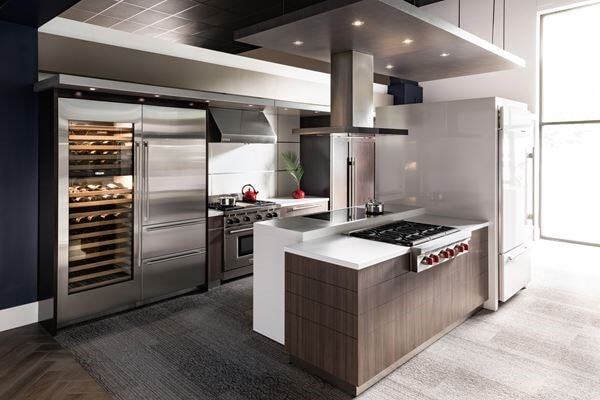
Wine storage
Temperature, door, fan and display concerns in Sub-Zero wine storage.
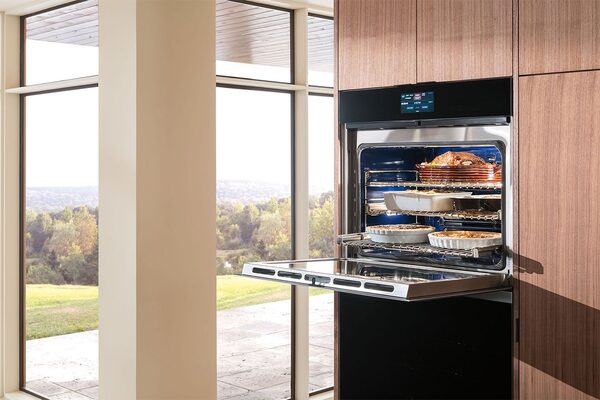
Care & maintenance
Condenser care, accessible seals and a practical maintenance plan.
A clear path
from symptom
to next step.
Know what to share, what to ask and what happens before a repair is approved.
Prepare for your visit →Tell us what changed
Share your ZIP code, appliance model and the symptom you are seeing.
Plan the assessment
Discuss access, availability and the diagnostic charge for your appliance.
Review your options
Ask about the proposed work, parts and applicable terms before approving a repair.
Close to home.
Chicago to the North Shore,
Barrington and the western suburbs.
Find your community.
Explore 62 cities and suburbs. Confirm coverage and appointment availability for your exact ZIP code.
Explore all service areas →A little guidance goes a long way.
Sub-Zero not cooling: what to check first
A warm compartment needs a clear symptom history. Start with the door, settings and which section is affected before arranging a diagnosis.
Wolf oven not heating: details that matter
Record the model, cooking mode and which oven cavity is affected before arranging a service visit. Gas and electric ovens need different diagnostic paths.
Sub-Zero condenser care: a practical checklist
Maintenance instructions depend on your model. Use the correct manual, keep access safe and treat persistent cooling problems as a separate repair issue.
Good questions to ask.
Are you a Factory Certified Service company?
No. We are an independent repair service and are not affiliated with or endorsed by Sub-Zero or Wolf. If manufacturer warranty may apply, contact the manufacturer or use its official service locator.
How much will the repair cost?
The appliance model and diagnosis determine the work involved. Ask about the diagnostic charge, proposed repair, parts and applicable terms before approving work.
Can you repair it on the first visit?
This depends on the diagnosis, access and model-specific parts. Confirm the plan when booking; a same-day completion is not guaranteed.
What should I have ready?
Your ZIP code, model and serial number, a short symptom history and any building-access requirements. Photos of a display message or visible problem may help if they can be taken safely.
Choose help by the problem you are seeing
A useful repair request starts with a change in ordinary performance. A refrigerator may be warmer, an ice maker may stop producing, an oven may behave differently in one mode or a wine-storage zone may show an unexpected reading. Identify the appliance and describe the change before choosing a part or assuming a cause. Our service pages and owner guides are organized around those observations so you can find the relevant next step quickly.
For refrigeration, begin by separating the refrigerator and freezer compartments. For cooking equipment, identify the appliance type and affected cavity, mode or burner. For wine storage, record the setting and observation for each zone. These small distinctions make the first conversation more useful without requiring technical expertise. Safe photos of a display message or a visible concern can help, but you should not dismantle equipment to collect them.
Use the expanded area directory to find your community, then call with your exact ZIP code to confirm coverage and current appointment availability. The directory covers service-request locations; it does not claim a network of separate local offices. Whether your appliance is in a city condominium or a suburban home, access and installation details should be discussed before a visit is arranged.
Build a concise record before choosing an appointment
Start with the appliance brand, exact model and serial number if available. Use the owner’s manual to locate the label through normal safe access. A photo of the label can be easier than reading a long sequence of characters over the phone. If the label cannot be reached, say so and share purchase or prior service information that may help identify the unit.
Write one sentence describing the main concern, followed by when it began and whether it is constant or intermittent. Add the affected compartment, oven cavity, burner or wine-storage zone. This makes the request specific without requiring technical expertise. Keep separate appliances and separate symptoms on separate lines so the intended scope is clear.
Record a display message exactly when it can be viewed safely. A photo of visible water, frost or an accessible door gap may also help. Do not remove panels, move a built-in appliance or deliberately repeat an unsafe event to obtain evidence. A written description is enough when a photograph would require risky access.
Include relevant events such as a power interruption, cleaning, filter change, installation work or previous repair. Present them as a timeline rather than as proven causes. The service provider can then ask focused questions and explain what an assessment would involve. Accurate uncertainty is more useful than a confident component diagnosis made without inspection.
Understand diagnosis, approval and completion as separate steps
A diagnostic visit is intended to establish the problem and possible next steps. It does not automatically mean that every required part is already available or that the repair will be completed during the same visit. Ask what the diagnostic charge covers and how a proposed repair will be presented before you choose an appointment.
When a recommendation is made, ask how it relates to the original complaint. Clarify the part or task involved, labor, access requirements and any expected follow-up visit. If more than one issue is found, ask which work is necessary for the current problem and which is optional or separate. This helps keep the approval decision concrete.
Confirm how additional findings or changes in scope will be handled. A clear approval process is more useful than an open-ended instruction to do whatever seems necessary. Ask about applicable warranty terms for the proposed work and retain them with the invoice. Do not assume that independent service is covered by a manufacturer warranty.
If the appliance may qualify for manufacturer-warranty work, contact the manufacturer or use its official service locator before authorizing independent paid service. Keep the choice of service route separate from the urgency of an ordinary appointment. For an immediate hazard, obtain appropriate emergency assistance instead of waiting for a routine repair assessment.
Understand the difference between an observation and a diagnosis
A warm compartment is an outcome. It does not tell you which part needs replacement. Door closure, air movement, temperature sensing, controls and refrigeration components are different areas that may need to be evaluated. Naming a compressor before the appliance has been examined can lead a service conversation in the wrong direction. It is more useful to describe what still works and what has changed.
For example, “the freezer is operating, the refrigerator display is on, and the refrigerator compartment became warmer yesterday” gives three distinct observations. “The cooling system is broken” gives a conclusion without the evidence behind it. You do not need technical vocabulary to arrange a productive visit. Plain descriptions, the model number and a consistent timeline are enough to start.
A technician may need to compare operation in more than one area and account for the particular model. An inspection may also need to distinguish the current fault from a separate maintenance concern. If dust is visible, that does not automatically prove that cleaning will resolve the complaint. If a gasket looks worn, that does not prove it explains every temperature change. Ask which findings support the proposed repair and which observations will be checked afterward.
Avoid ordering parts just because an online discussion describes a similar symptom. Two appliances with the same visible complaint can require different work. Ask whether the proposed component is compatible with the exact model and whether any additional findings could change the scope. A clear explanation of what is known, what remains uncertain and what the next step will establish is more helpful than a confident guess made before diagnosis.
Separate no heat from disappointing cooking results
An oven that does not heat at all and an oven that heats but produces different results are distinct complaints. State which situation you have. If the concern is cooking performance, describe the mode, rack position, cookware and food involved, along with whether the result changed from previous use under similar conditions. This helps avoid turning a cooking-method question into an assumed component failure.
Use the owner’s instructions for the intended mode and appliance. Do not compare two different modes as though they should behave identically. If you are using a separate oven thermometer, record how and where it was used rather than treating one reading as a complete diagnosis. A technician can decide what measurements are appropriate for the actual complaint.
Mention door behavior and anything visibly preventing normal closure. Remove only loose obstructions that can be addressed safely when the appliance is cool. Do not adjust hinges, defeat a door switch or force a latch. A closure concern deserves its own description instead of being folded into a vague temperature complaint.
Be clear about the desired outcome of the visit. Do you need an assessment of a no-heat condition, a recurring display message or changed cooking performance? If more than one concern exists, list them separately. A clear scope helps the service provider explain which checks are relevant and how any proposed repair relates to the problem you reported.
An independent service choice, with clear expectations
This website represents independent repair service. It is not a manufacturer-owned business and does not claim Factory Certified Service status. The brand names identify the appliances discussed. If manufacturer warranty may apply, consult the official Sub-Zero, Wolf & Cove service locator before arranging independent paid work.
For any service choice, ask practical questions about the diagnostic charge, proposed work, model-specific parts and applicable terms. Keep the scope clear when more than one appliance is involved. A service appointment should provide a path toward an informed repair decision; it should not be treated as a guarantee of a particular part, price or completion time before assessment.
