Sub-Zero & Wolf repair in Inverness.
Independent Sub-Zero and Wolf repair requests in Inverness, IL. Get appliance guidance and confirm ZIP-code coverage at (224) 347-1756.
Call (224) 347-1756 ↗
Keep temperature observations consistent
For an Inverness cooling request, record the compartment, control setting and measured temperature if you have an appliance thermometer. Include the time and any door-open event. Consistent observations are more useful than repeated setting changes.
Explain whether the freezer and ice maker also changed. A warm compartment has several possible causes, so arrange a diagnosis rather than selecting a part in advance. Keep the installed appliance in place.
Choose the appliance that needs attention
Sub-Zero refrigeration
Cooling, ice, leaks and door-seal concerns for built-in refrigerators and freezers.
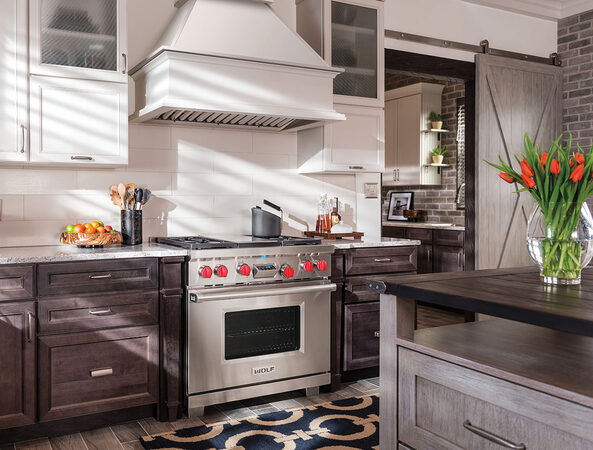
Wolf cooking appliances
Ovens, ranges and cooktops with heating, ignition or control issues.
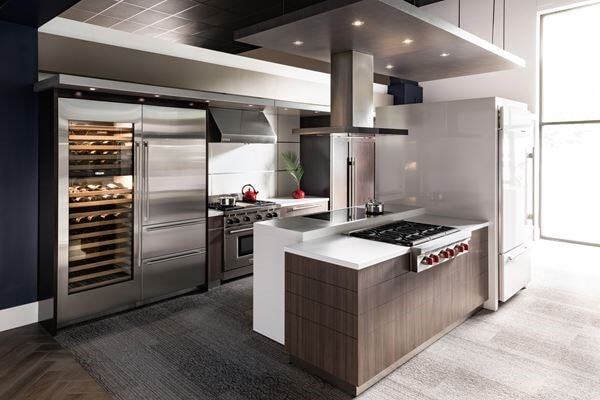
Wine storage
Temperature, door, fan and display concerns in Sub-Zero wine storage.
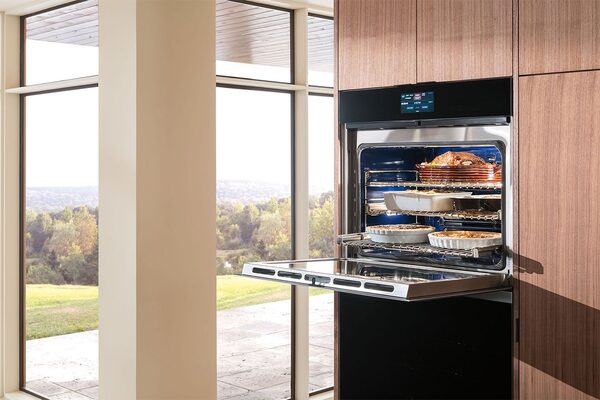
Care & maintenance
Condenser care, accessible seals and a practical maintenance plan.
Before you arrange a visit
- Have the model and serial number ready, along with the main symptom.
- Confirm coverage for your exact ZIP code and current appointment availability.
- Ask about the diagnostic charge, repair approval and parts availability.
- If manufacturer warranty may apply, check the official service channel first.
A useful guide for your request
Nearby service-area information
Several temperature adjustments obscure the history
Consider an Inverness owner who has changed the refrigerator setting several times while trying to resolve warming. A better record begins with the current setting, the affected compartment and the times of the changes that are remembered. The owner is candid about uncertainty and stops treating each new setting as a diagnostic test. This is a hypothetical example of improving a service request. Include freezer and ice observations separately, keep the appliance installed and ask what consistent normal-use information would help the assessment. A clear record is more valuable than a confident but unsupported parts diagnosis.
Understand the difference between an observation and a diagnosis
A warm compartment is an outcome. It does not tell you which part needs replacement. Door closure, air movement, temperature sensing, controls and refrigeration components are different areas that may need to be evaluated. Naming a compressor before the appliance has been examined can lead a service conversation in the wrong direction. It is more useful to describe what still works and what has changed.
For example, “the freezer is operating, the refrigerator display is on, and the refrigerator compartment became warmer yesterday” gives three distinct observations. “The cooling system is broken” gives a conclusion without the evidence behind it. You do not need technical vocabulary to arrange a productive visit. Plain descriptions, the model number and a consistent timeline are enough to start.
A technician may need to compare operation in more than one area and account for the particular model. An inspection may also need to distinguish the current fault from a separate maintenance concern. If dust is visible, that does not automatically prove that cleaning will resolve the complaint. If a gasket looks worn, that does not prove it explains every temperature change. Ask which findings support the proposed repair and which observations will be checked afterward.
Avoid ordering parts just because an online discussion describes a similar symptom. Two appliances with the same visible complaint can require different work. Ask whether the proposed component is compatible with the exact model and whether any additional findings could change the scope. A clear explanation of what is known, what remains uncertain and what the next step will establish is more helpful than a confident guess made before diagnosis.
Prepare a safe and accessible cooking area
Let hot surfaces cool before any ordinary owner-level cleaning or a planned service visit. Remove cookware and loose objects from the surrounding area. Keep children and pets away from the work space and explain any narrow route or access restriction when booking. A useful preparation plan reduces obstacles without asking the homeowner to dismantle the appliance.
Leave a wall oven in its cabinet and a range in its installed position. Electrical connections, gas connections, securing arrangements and nearby surfaces may affect how the appliance is accessed. Do not disconnect anything or remove a unit to make the visit easier unless a qualified professional has explicitly arranged the appropriate work.
For an ignition or gas-related concern, do not repeatedly attempt to light the appliance. If you smell gas, leave the area and contact the utility or emergency services from outside. Do not operate switches or use a flame to investigate. A routine repair phone number and an online guide are not an emergency response service.
Have the model, symptom notes and previous service record available. If a message appears on the display, a safe photo can help preserve the exact wording. Do not reset the controls before recording a recurring message unless the model’s instructions or an urgent safety situation require a different response. Explain what happened and let the assessment determine the appropriate diagnostic steps.
Make the follow-up easier for everyone involved
At the end of a visit, ask what was found, what work was completed and what remains unresolved or dependent on parts. Request a clear explanation of any next step. If normal operating observations are needed after service, ask what to watch and how to report a concern. Avoid assuming that every appliance returns to its final condition immediately without model-specific guidance.
Keep a simple record containing the date, model, reported symptom, invoice and applicable terms. Add any instructions the service provider gave for ordinary use or follow-up. This information helps if the concern recurs or another household member needs to discuss the appliance later.
If the symptom changes before a return visit, report the new observation. A different display message, new leak location or additional affected compartment may matter. Describe the change without deciding that it proves the original assessment was wrong or that a different part must now be replaced. The objective is an accurate record for the next decision.
For recurring concerns, compare the same conditions where possible: the same oven mode, compartment or visible area. Do not repeatedly create a fault to demonstrate it. A concise timeline and safe observations give a better basis for follow-up than a large number of speculative tests. Keep communication focused on the original complaint, the agreed scope and the current behavior.
Start with a model-specific maintenance plan
A maintenance plan should begin with the exact appliance model and its owner instructions. A refrigerator, wine-storage unit and cooking appliance do not share one universal cleaning procedure. Even within the same brand, access arrangements and user-serviceable areas can differ. Keep the model information and the relevant manual together so you do not have to identify the appliance again each time care is due.
Record the tasks already performed and the date, rather than simply writing “serviced.” Condenser cleaning, accessible surface cleaning and a repair assessment are different activities. A short record helps you understand what has actually been done and what still needs attention. It can also prevent a later service request from assuming that an unperformed task was included.
Use the manufacturer’s guidance as the starting point for intervals and methods. Household conditions, including dust and pets, may be worth discussing with a service professional when planning future care. Do not invent an aggressive schedule based only on an advertisement, and do not assume that an appliance is maintenance-free because it is built into cabinetry.
If a performance problem is already present, lead with that symptom. A warm compartment, repeated alert or ignition problem should not be hidden inside a routine cleaning request. The appointment may need a diagnostic scope, and cleaning alone should not be promised as the solution before the cause has been assessed.
Turn these observations into a useful local request
For a visit in Inverness, begin with the exact municipality and ZIP code, then name the appliance and the function that changed. The topics above are selected to help you organize that conversation. They are not claims about which appliances are most common in the community or which failures occur there more often. A service-area page also does not represent a separate branch office.
Keep private property-access details for the scheduling conversation. Confirm current coverage, appointment availability, diagnostic charges and the process for approving work. If your appliance may be covered by a manufacturer warranty, use the manufacturer’s service channel before arranging independent paid work. For an immediate gas or electrical hazard, obtain the appropriate urgent assistance rather than waiting for a routine appointment.
Do you have an office in Inverness?
These pages describe service-request areas. They do not represent separate branch offices. Call with your ZIP code to confirm coverage and availability.
Is this Factory Certified Service?
No. We are an independent repair service, not affiliated with or endorsed by Sub-Zero or Wolf. For manufacturer warranty work, use the manufacturer’s service locator.
