Sub-Zero & Wolf repair in Mount Prospect.
Independent Sub-Zero and Wolf repair requests in Mount Prospect, IL. Practical appliance guidance and visit planning. Call to confirm ZIP-code coverage.
Call (224) 347-1756 ↗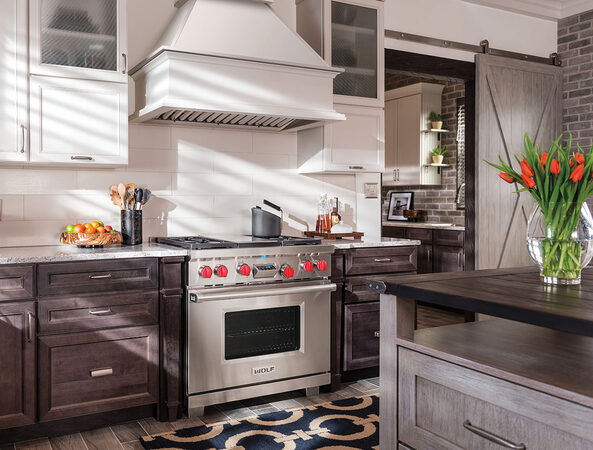
Plan a focused request in Mount Prospect
For a Sub-Zero or Wolf service request in Mount Prospect, start with your exact ZIP code, appliance model and current concern. Confirm address coverage and appointment availability directly by calling (224) 347-1756. This page brings together a focused planning example, owner observations and questions for the visit. It does not represent a separate branch office or a guarantee of arrival time.
The cooktop works while an oven cavity does not
A working burner can make an oven problem sound contradictory, but the useful first step is to identify the actual model and affected function. Record the cavity, cooking mode and selected setting rather than saying the entire range has no power. For a Mount Prospect request, mention whether more than one cooking appliance is installed and which one you want assessed. If the concern includes a gas odor, stop ordinary troubleshooting and contact the utility or emergency services from outside. Otherwise, leave the installation intact and preserve the display message before changing controls.
Apply the example to your own appliance
The scenario above is a planning example, not a claim about a completed local repair or a failure that occurs more often in this community. Use it only where it matches the condition you can observe. Start by writing one sentence describing the main concern, then add the appliance model and the date it began. If your concern is different, use the related service and guide links below rather than forcing it into this example.
Keep the current symptom separate from older repairs or a maintenance task you also want discussed. An appointment can then be scoped around the work actually requested. Ask whether assessment of more than one appliance requires a separate charge, and identify the person who can approve proposed work. If manufacturer warranty may apply, check the manufacturer service route before authorizing independent paid repairs.
Discuss the repair scope before selecting a component
A heating complaint can lead to different findings depending on the model and symptoms. Ask which observations support the recommended work and how it addresses the original complaint. A generic statement that ovens usually need a particular part is not a model-specific diagnosis. You should be able to understand the proposal without learning the entire internal design.
Confirm the assessment charge, proposed labor, parts and possible return-visit requirements. Ask whether a quoted amount includes everything described or whether additional findings would require approval. If part availability is uncertain, discuss the next step and how the timing will be communicated. Do not assume that an appointment guarantees same-day completion.
For more than one cavity or appliance, clarify what the proposal covers. A repair to one oven does not automatically include an unrelated cooktop concern. Keep the service request, findings and approved scope aligned so that expectations remain clear.
After the work, ask which normal operating checks or observations are appropriate and what to report if the concern remains. Retain the invoice and applicable terms. If manufacturer warranty may cover the appliance, verify the manufacturer’s service route before authorizing independent paid work. An informed decision comes from a clear scope and diagnosis, not from a universal price or a parts guess made before the visit.
Identify the oven before interpreting its behavior
Begin with the model number and appliance type. A Wolf wall oven, gas range, dual-fuel range and induction range can use different systems. The appearance of the cooktop does not always describe how the oven beneath it heats. If you are unsure, provide the model information rather than guessing at the internal design.
For a double oven, identify the affected cavity. Explain whether the concern is limited to one cavity, one cooking mode or the appliance as a whole. A report that the upper oven does not begin preheating while the lower oven appears to operate gives more useful information than a general statement that the oven is broken.
Record the selected mode, temperature and visible display message. Describe what happens after the control is set: no apparent response, a preheat indication that does not progress or a cycle that starts and stops. Avoid repeated high-temperature trials just to refine the description. Ordinary observations and the model number are enough to begin planning a diagnosis.
Tell the service provider about a recent self-clean cycle, power interruption or change in controls. These events are context, not proof of a particular failure. Keep the sequence clear so the technician can decide what to investigate. Do not bypass a safety device or remove a panel to discover whether a component is receiving power.
Coordinate the people, property and appliance access
Confirm who will be present and able to discuss the appliance and approve work. If you are arranging service for a relative, tenant or another household member, make sure the contact details and approval process are clear. Do not assume that the person opening the door has the same information or authority as the person who made the initial call.
For a managed building, ask about contractor sign-in, service-elevator booking, parking and any documents required by management. Discuss those requirements before selecting a time. A building’s rules should be verified directly with its management; this website cannot know the access policy for a particular property.
For a home, describe stairs, gates, a long or restricted driveway and tight kitchen access where relevant. Share the exact location privately when arranging the appointment rather than posting access codes or personal details in a public place. Clear ordinary directions are usually more useful than an assumption that the technician will discover every restriction on arrival.
Clear loose items from the path and nearby work area. Keep pets and children away during service and allow cooking appliances to cool. Leave built-in equipment installed. If another trade recently altered cabinetry, plumbing or electrical work around the appliance, explain that history so the service provider can plan the appropriate assessment.
Use maintenance visits to ask better ownership questions
A planned care visit can be a useful time to discuss how the appliance is installed and used. Ask whether ventilation access is being obstructed by stored items, whether accessible seals show visible damage and whether the maintenance record is adequate. Keep the discussion tied to observations and the model’s instructions rather than requesting a promise that the appliance will never fail.
List any recurring concern separately. For example, occasional door alarms, an unusual sound or a change in ice production should each be described with timing and circumstances. Ask whether those concerns require a diagnostic assessment beyond the maintenance tasks you booked. This avoids confusion about what the visit is intended to accomplish.
Clarify exactly which tasks are included and which are optional. If additional work is recommended, ask what finding supports it and whether it addresses a current problem or future care. Approve a clear scope instead of an undefined package. Confirm charges and any applicable terms before work begins.
Keep a practical record afterward. The date, model, completed tasks and any recommended follow-up are usually more useful than a folder of generic maintenance advertisements. If the appliance later develops a problem, this record provides context without implying that routine care proves or rules out a particular failure.
Bring these details to the scheduling conversation
| Detail | What to prepare |
|---|---|
| Location | Mount Prospect and the exact ZIP code. Give the full property address privately when arranging the visit. |
| Appliance | The model, affected compartment or cooking function, and the most recent normal operation you remember. |
| Access | Any entrance, parking, stair or management requirements that actually apply to this property. |
| Decision maker | The person who can describe the history, approve the proposed scope and receive follow-up information. |
Questions to settle before the visit
Do all Wolf ovens use the same diagnostic approach?
The exact model and appliance type matter. A wall oven, gas range, dual-fuel range and induction range should not be treated as identical because the controls or finish look similar. Provide the model and the affected cavity or mode. If you are unsure about the design, say so rather than investigating connections yourself.
Is one disappointing cooking result enough to identify a fault?
Describe the result and the conditions before reaching a conclusion. Mode, rack position, cookware and whether the behavior has changed are useful details. Follow the owner’s instructions and avoid repeated high-temperature tests. A no-heat condition and changed cooking performance are different complaints and should be presented separately when requesting service.
Continue with the most relevant guide
Wolf gas range or dual fuel: identify the appliance before service · Related appliance service · Blog & Vlog · Contact and visit preparation
Nearby community pages
Choose your actual community when discussing coverage. Nearby pages share the same independent service contact and do not indicate separate offices.
