Sub-Zero & Wolf repair in Wheaton.
Independent Sub-Zero and Wolf repair requests in Wheaton, IL. Practical appliance guidance and visit planning. Call to confirm ZIP-code coverage.
Call (224) 347-1756 ↗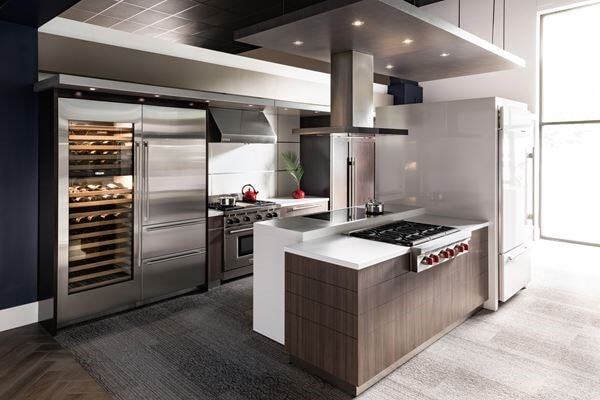
Plan a focused request in Wheaton
For a Sub-Zero or Wolf service request in Wheaton, start with your exact ZIP code, appliance model and current concern. Confirm address coverage and appointment availability directly by calling (224) 347-1756. This page brings together a focused planning example, owner observations and questions for the visit. It does not represent a separate branch office or a guarantee of arrival time.
Several built-in appliances need a coordinated assessment
Make a separate model-and-symptom line for each appliance before scheduling. A refrigerator concern and an oven concern may require different diagnostic work even when they share the same kitchen. For a Wheaton request, describe access to each installation and confirm which assessments are included in the proposed visit. Keep loose items out of the work route, but leave heavy appliances and fixed cabinetry in place. Ask how additional findings and any follow-up appointment will be handled so coordination does not depend on assumptions about the first visit.
Apply the example to your own appliance
The scenario above is a planning example, not a claim about a completed local repair or a failure that occurs more often in this community. Use it only where it matches the condition you can observe. Start by writing one sentence describing the main concern, then add the appliance model and the date it began. If your concern is different, use the related service and guide links below rather than forcing it into this example.
Keep the current symptom separate from older repairs or a maintenance task you also want discussed. An appointment can then be scoped around the work actually requested. Ask whether assessment of more than one appliance requires a separate charge, and identify the person who can approve proposed work. If manufacturer warranty may apply, check the manufacturer service route before authorizing independent paid repairs.
Build a concise record before choosing an appointment
Start with the appliance brand, exact model and serial number if available. Use the owner’s manual to locate the label through normal safe access. A photo of the label can be easier than reading a long sequence of characters over the phone. If the label cannot be reached, say so and share purchase or prior service information that may help identify the unit.
Write one sentence describing the main concern, followed by when it began and whether it is constant or intermittent. Add the affected compartment, oven cavity, burner or wine-storage zone. This makes the request specific without requiring technical expertise. Keep separate appliances and separate symptoms on separate lines so the intended scope is clear.
Record a display message exactly when it can be viewed safely. A photo of visible water, frost or an accessible door gap may also help. Do not remove panels, move a built-in appliance or deliberately repeat an unsafe event to obtain evidence. A written description is enough when a photograph would require risky access.
Include relevant events such as a power interruption, cleaning, filter change, installation work or previous repair. Present them as a timeline rather than as proven causes. The service provider can then ask focused questions and explain what an assessment would involve. Accurate uncertainty is more useful than a confident component diagnosis made without inspection.
Coordinate the people, property and appliance access
Confirm who will be present and able to discuss the appliance and approve work. If you are arranging service for a relative, tenant or another household member, make sure the contact details and approval process are clear. Do not assume that the person opening the door has the same information or authority as the person who made the initial call.
For a managed building, ask about contractor sign-in, service-elevator booking, parking and any documents required by management. Discuss those requirements before selecting a time. A building’s rules should be verified directly with its management; this website cannot know the access policy for a particular property.
For a home, describe stairs, gates, a long or restricted driveway and tight kitchen access where relevant. Share the exact location privately when arranging the appointment rather than posting access codes or personal details in a public place. Clear ordinary directions are usually more useful than an assumption that the technician will discover every restriction on arrival.
Clear loose items from the path and nearby work area. Keep pets and children away during service and allow cooking appliances to cool. Leave built-in equipment installed. If another trade recently altered cabinetry, plumbing or electrical work around the appliance, explain that history so the service provider can plan the appropriate assessment.
Understand diagnosis, approval and completion as separate steps
A diagnostic visit is intended to establish the problem and possible next steps. It does not automatically mean that every required part is already available or that the repair will be completed during the same visit. Ask what the diagnostic charge covers and how a proposed repair will be presented before you choose an appointment.
When a recommendation is made, ask how it relates to the original complaint. Clarify the part or task involved, labor, access requirements and any expected follow-up visit. If more than one issue is found, ask which work is necessary for the current problem and which is optional or separate. This helps keep the approval decision concrete.
Confirm how additional findings or changes in scope will be handled. A clear approval process is more useful than an open-ended instruction to do whatever seems necessary. Ask about applicable warranty terms for the proposed work and retain them with the invoice. Do not assume that independent service is covered by a manufacturer warranty.
If the appliance may qualify for manufacturer-warranty work, contact the manufacturer or use its official service locator before authorizing independent paid service. Keep the choice of service route separate from the urgency of an ordinary appointment. For an immediate hazard, obtain appropriate emergency assistance instead of waiting for a routine repair assessment.
Evaluate a cooling-repair proposal in context
A useful proposal connects the reported problem to the findings from the assessment. Ask what was checked, what the recommended work is expected to correct and whether other concerns were found. Request a clear distinction between work needed for the current complaint and optional maintenance. You can then decide with an understanding of the scope instead of comparing an unexplained list of parts.
Price comparisons are only meaningful when they cover the same work. Ask whether a quoted amount includes diagnosis, labor, the proposed part, any return visit and applicable charges. Clarify how changes will be approved if another issue is discovered. There is no universal price or completion time that can be responsibly inferred from “not cooling” alone; the model, diagnosis, access and part availability matter.
If you are considering replacement, account for the installation as well as the appliance price. Cabinet dimensions, custom panels, access and the desired kitchen layout can affect that decision. An older appliance is not automatically beyond repair, and an expensive appliance is not automatically economical to repair. Ask for the facts that apply to your unit and compare the options using the same assumptions.
Before the visit ends, ask what operating behavior should be expected after the work, what observations to make and when to report an unresolved concern. Keep the invoice, model information and any applicable repair-warranty terms together. For possible manufacturer-warranty work, confirm the correct service channel with the manufacturer before authorizing independent paid service.
Bring these details to the scheduling conversation
| Detail | What to prepare |
|---|---|
| Location | Wheaton and the exact ZIP code. Give the full property address privately when arranging the visit. |
| Appliance | The model, affected compartment or cooking function, and the most recent normal operation you remember. |
| Access | Any entrance, parking, stair or management requirements that actually apply to this property. |
| Decision maker | The person who can describe the history, approve the proposed scope and receive follow-up information. |
Questions to settle before the visit
What if I cannot find the model label?
Use the owner’s manual for the location and do not remove covers or move a built-in appliance just to search. Tell the service provider what information is available. A purchase record, prior invoice or a safe photo of the appliance may help identify the next step without unnecessary disassembly.
Can someone else be present for the appointment?
Discuss that arrangement when scheduling. Confirm who can provide access, explain the symptom and approve work, and ensure that person has the relevant information. Building rules and contractor-entry requirements should be checked with management in advance. Do not assume the person opening the door has the same instructions as the person who called.
Continue with the most relevant guide
Preparing access to built-in refrigerators and wall ovens · Related appliance service · Blog & Vlog · Contact and visit preparation
Nearby community pages
Choose your actual community when discussing coverage. Nearby pages share the same independent service contact and do not indicate separate offices.
