Wolf Roast or Convection Roast? Plan a Single-Rack Holiday Meal
Compare Wolf Roast and Convection Roast using the correct model guide, cookware plan and cooking observations before Thanksgiving in your Chicago kitchen.
Call (224) 347-1756 ↗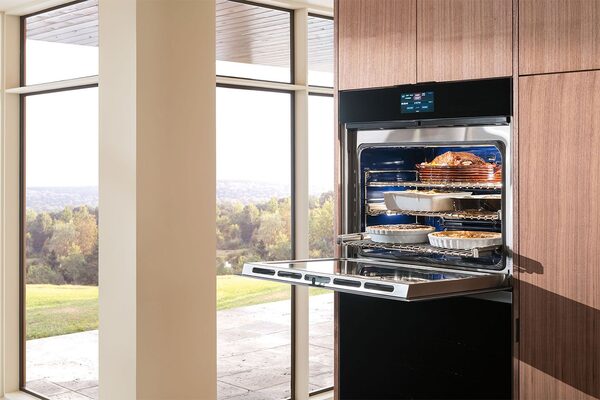
Start with the dish and the exact oven
Roast and Convection Roast sound interchangeable, especially when a recipe simply says to roast dinner. Choosing between them is more useful when you connect three pieces of information: the appliance model, the recipe method and the cookware arrangement. This guide focuses on planning a single-rack holiday roast and documenting an unexpected result. It is not a universal recipe, a temperature-conversion chart or a diagnosis of an oven that has stopped heating.
Write down the dish, whether its instructions call for a covered or uncovered pan, and the mode the recipe actually names. If you have two ovens, identify the cavity you plan to use. A family member should be able to read that short note and understand the intended setup without guessing. Planning this before Thanksgiving gives you time to resolve a controls question while the kitchen is quiet and a meal deadline is not driving the decision.
Use model-specific guidance to interpret the mode names
Wolf publishes separate operating information for different range and wall-oven families. In its Next Dual Fuel Range guidance, Convection Roast uses broil and convection elements and is described as suitable for tender meats and poultry. Its Roast guidance emphasizes less-tender cuts that should be covered. Those descriptions are a starting point for that product family, rather than a reason to apply the same control sequence to every appliance with a red knob.
The listed food examples overlap, which is another reason not to select a mode from the name of the meat alone. The recipe, preparation and intended result matter. Check the official guide for your model and keep its link with your menu notes. If the control names differ, identify the product family before changing anything. A steam oven, a gas range and an electric wall oven should not be treated as the same cooking system.
Keep the single-rack plan separate from a crowded meal
Wolf’s general convection guidance describes Convection Roast as particularly suited to single-rack cooking and browning. A holiday menu often adds several side dishes to a roasting plan, turning a simple setup into a different arrangement. Do not assume a mode chosen for one roasting pan remains the best choice after additional trays occupy the available space. Follow the rack and cookware guidance for the particular oven and recipe.
Make a written schedule showing when the roast uses the cavity and when the other dishes need it. If side dishes require incompatible conditions, adjust the schedule or use appropriate separate equipment. Do not improvise a second cooking level by placing cookware on the oven floor. This is a planning question before it is a repair question: a disappointing result from a substantially changed load does not establish that the fan or heating system has failed.
Check pan fit before preheating
When the oven is off and cool, confirm that the roasting pan, rack and handles fit the approved position. Think about the complete movement required to load and remove the pan, including the door opening and the working surface where it will be placed. A container may fit inside but still be awkward to handle once filled. Check the owner instructions for rack placement, permitted accessories and clearances.
Use cookware suited to the recipe and appliance. Record whether the pan is covered, its approximate size and any roasting insert used. Those details help explain a result later and let you reproduce a successful arrangement. Avoid introducing an unapproved liner or foil covering as an experiment. If a rack binds, a door will not close normally or glass is damaged, resolve the condition before using the oven; fitting a meal around an unresolved physical problem is not a useful readiness test.
Do not combine instructions from unrelated recipes
A common source of confusion is taking the temperature from one recipe, the mode from another and the timing from a third. Each instruction may be reasonable in its original context, but the combined method has not necessarily been evaluated. Choose a complete, appropriate recipe and read its assumptions before starting. Wolf’s mode resources themselves say that recipe or package directions should take precedence over general recommendations.
If a recipe is unclear about convection, seek clarification from its author or an appropriate cooking resource. Do not invent a universal temperature or timing adjustment and then use an unexpected result as evidence of an appliance defect. Record any deliberate departure from the recipe. The purpose is not to make cooking rigid; it is to keep the explanation honest when you later ask whether a concern relates to preparation, loading, controls or a fault requiring service.
Practice with a familiar ordinary meal
Before relying on an unfamiliar mode for a major holiday, use a familiar meal with a supported setup and clear instructions. Record the selected mode, target temperature, rack position and cookware. Follow the model’s preheat guidance. A practice meal can reveal a misunderstanding about controls or scheduling while there is time to ask questions. It cannot certify the oven’s accuracy or guarantee that no component will fail later.
Compare the result with a genuinely similar previous setup. If the pan, food quantity and recipe changed together, the comparison is weak. Do not repeatedly raise the setting or change modes without recording it, because the final result becomes difficult to interpret. Note whether the concern was excessive surface browning, uneven appearance or a display message. These observations describe what happened without pretending that an ordinary cooking session identifies the failed part.
Treat food temperature and appliance performance as different questions
The oven setting describes a cooking condition; it does not establish that every part of a meal has reached an appropriate internal temperature. A compatible food probe may be useful when supported by the selected model and mode, but it is not a general test instrument for the heating system. Follow the applicable accessory instructions and reliable food-safety guidance for the food you are preparing.
This planning article intentionally does not give a turkey temperature or a minutes-per-pound rule. Those decisions need an appropriate recipe and food-safety source, with the actual food and method considered. Equally, a timer ending is not proof that cooking is complete or that the oven has switched off. Understand the end-of-program behavior before using a feature. If that behavior is unclear, consult the exact owner guide rather than assuming all Wolf controls respond identically.
Recognize when the question belongs with service
An unfamiliar cooking result and a recurring appliance error are different situations. If a mode cannot be selected, the oven repeatedly fails to heat, or a specific message returns, record the exact behavior and seek appropriate assistance. Do not keep changing modes solely to work around an unresolved fault for a large meal. Preserve the original message and note which cavity was involved.
Avoid removing panels, disconnecting wiring or repeatedly resetting a breaker to gather more evidence. A problem involving suspected gas leakage or another immediate hazard requires stopping use and obtaining appropriate help from a safe location. For a routine service request, explain the observation before naming a suspected component. The distinction between a controls question and a technical diagnosis helps the conversation stay focused and avoids treating an internet suggestion as a confirmed repair.
Build a short comparison record for the technician
A useful record can fit on one page. Include the model, cavity, mode, selected temperature, cookware, rack position and the point at which the concern appeared. Add the recipe reference and any changes you made. A photograph of the controls or finished result can supplement the record when taken safely. Keep food observations separate from an error code or an unusual mechanical symptom.
For a Chicago-area appointment, provide your ZIP code and explain relevant building access requirements. Ask about availability, the diagnostic process and charges before authorizing work. A written account helps communicate the concern but does not guarantee a particular diagnosis, part or completion date. Keep the appliance installed unless a qualified provider gives other instructions. Our service is independent; manufacturer resources linked here provide owner information and do not imply factory certification.
Choose a plan you can repeat
Once the model guide, recipe and cookware agree, write the final setup in plain language. For example, identify the cavity and rack, name the selected mode, and point to the recipe rather than copying a few disconnected numbers. Assign one person to manage controls so helpers do not unknowingly change the plan. Keep the preparation note with the model information for the next comparable meal.
If an unresolved appliance concern remains, arrange assessment and maintain an alternative meal schedule instead of assuming holiday timing will make a repair immediate. After service, follow the provider’s guidance before resuming use. For independent Wolf oven repair requests in Chicago and nearby communities, call (224) 347-1756 or use our contact page. The practical goal is a repeatable cooking setup, a clear description of any problem and enough preparation time to make an informed next decision.
Official Wolf references
Related owner resources
Wolf oven repair · Troubleshooting guides · Blog & Vlog · Request service
