Uneven baking in a Wolf oven: make the comparison useful
Record mode, rack position and cookware before deciding that uneven browning means a failed component.
Call (224) 347-1756 ↗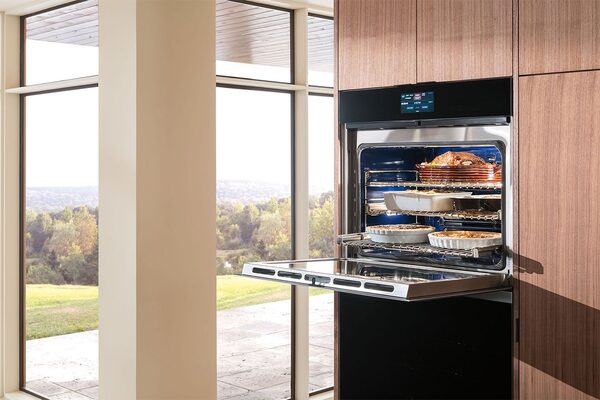
OWNER JOURNAL · COOKING & VENTILATION · INDEPENDENT SERVICE GUIDANCE
Describe the pattern on the food
Uneven browning can mean one side of a tray colors first, the top finishes before the center or one oven cavity behaves differently from the other. Name the pattern rather than writing only “temperature is wrong.” Note the cooking mode, selected temperature, rack position and whether preheating was complete. These observations create a useful starting point for a cooking-performance discussion.
Keep a photograph of the result if it helps explain the pattern, but do not repeatedly cook food solely to reproduce a fault. If the oven produces smoke, a burning electrical smell or another immediate hazard, stop ordinary testing and obtain the appropriate assistance.
Change one cooking variable at a time
For routine cooking questions, use the exact model's guide for rack placement and mode selection. A recipe change, different pan and new rack position make a poor comparison with the previous batch. Record those differences rather than assuming the oven alone changed. Wolf's temperature guidance emphasizes allowing preheating to complete and seeking assessment when poor performance persists despite appropriate use.
A single reading from an inexpensive oven thermometer should not be treated as a calibration instruction. Do not enter service menus or adjust internal controls from an online demonstration. Tell the service provider how the reading was taken, what the display showed and what happened to the food.
Frame the service request around repeatable facts
A useful request might explain that the same recipe and pan now brown unevenly in the same mode after normal preheating. That is more informative than requesting a particular heating element before diagnosis. On a double oven, identify the cavity and whether the other cavity has the same complaint.
Ask what the assessment will check and how the proposed work relates to the cooking result. After service, clarify the expected operation and any recommended cooking setup. Save the original notes so you can make a sensible comparison during normal use instead of relying on the memory of an unusually successful or unsuccessful meal.
Your four-point preparation checklist
- Describe where browning differs.
- Record mode, rack, pan and preheat completion.
- Keep comparisons to ordinary cooking under similar conditions.
- Identify the cavity before discussing parts.
Use this checklist to organize observations from ordinary use. Mark a detail as unknown when it has not been confirmed; an empty field is better than a guessed model, time or component. Keep photographs and notes with the same appliance record so a second household member can explain the concern consistently.
Identify the oven before interpreting its behavior
Begin with the model number and appliance type. A Wolf wall oven, gas range, dual-fuel range and induction range can use different systems. The appearance of the cooktop does not always describe how the oven beneath it heats. If you are unsure, provide the model information rather than guessing at the internal design.
For a double oven, identify the affected cavity. Explain whether the concern is limited to one cavity, one cooking mode or the appliance as a whole. A report that the upper oven does not begin preheating while the lower oven appears to operate gives more useful information than a general statement that the oven is broken.
Record the selected mode, temperature and visible display message. Describe what happens after the control is set: no apparent response, a preheat indication that does not progress or a cycle that starts and stops. Avoid repeated high-temperature trials just to refine the description. Ordinary observations and the model number are enough to begin planning a diagnosis.
Tell the service provider about a recent self-clean cycle, power interruption or change in controls. These events are context, not proof of a particular failure. Keep the sequence clear so the technician can decide what to investigate. Do not bypass a safety device or remove a panel to discover whether a component is receiving power.
Separate no heat from disappointing cooking results
An oven that does not heat at all and an oven that heats but produces different results are distinct complaints. State which situation you have. If the concern is cooking performance, describe the mode, rack position, cookware and food involved, along with whether the result changed from previous use under similar conditions. This helps avoid turning a cooking-method question into an assumed component failure.
Use the owner’s instructions for the intended mode and appliance. Do not compare two different modes as though they should behave identically. If you are using a separate oven thermometer, record how and where it was used rather than treating one reading as a complete diagnosis. A technician can decide what measurements are appropriate for the actual complaint.
Mention door behavior and anything visibly preventing normal closure. Remove only loose obstructions that can be addressed safely when the appliance is cool. Do not adjust hinges, defeat a door switch or force a latch. A closure concern deserves its own description instead of being folded into a vague temperature complaint.
Be clear about the desired outcome of the visit. Do you need an assessment of a no-heat condition, a recurring display message or changed cooking performance? If more than one concern exists, list them separately. A clear scope helps the service provider explain which checks are relevant and how any proposed repair relates to the problem you reported.
Understand diagnosis, approval and completion as separate steps
A diagnostic visit is intended to establish the problem and possible next steps. It does not automatically mean that every required part is already available or that the repair will be completed during the same visit. Ask what the diagnostic charge covers and how a proposed repair will be presented before you choose an appointment.
When a recommendation is made, ask how it relates to the original complaint. Clarify the part or task involved, labor, access requirements and any expected follow-up visit. If more than one issue is found, ask which work is necessary for the current problem and which is optional or separate. This helps keep the approval decision concrete.
Confirm how additional findings or changes in scope will be handled. A clear approval process is more useful than an open-ended instruction to do whatever seems necessary. Ask about applicable warranty terms for the proposed work and retain them with the invoice. Do not assume that independent service is covered by a manufacturer warranty.
If the appliance may qualify for manufacturer-warranty work, contact the manufacturer or use its official service locator before authorizing independent paid service. Keep the choice of service route separate from the urgency of an ordinary appointment. For an immediate hazard, obtain appropriate emergency assistance instead of waiting for a routine repair assessment.
Questions to settle before the visit
Do all Wolf ovens use the same diagnostic approach?
The exact model and appliance type matter. A wall oven, gas range, dual-fuel range and induction range should not be treated as identical because the controls or finish look similar. Provide the model and the affected cavity or mode. If you are unsure about the design, say so rather than investigating connections yourself.
Is one disappointing cooking result enough to identify a fault?
Describe the result and the conditions before reaching a conclusion. Mode, rack position, cookware and whether the behavior has changed are useful details. Follow the owner’s instructions and avoid repeated high-temperature tests. A no-heat condition and changed cooking performance are different complaints and should be presented separately when requesting service.
What should I ask about a proposed repair?
Ask how the findings relate to the reported symptom, what the work includes, whether parts are available and how additional findings would be approved. Confirm applicable terms and retain the invoice. An appointment does not guarantee that every repair can be completed immediately, especially when the model requires a specific component or additional access planning.
A concise message for your service conversation
Begin with the appliance model and the function or care task described in this article. State what you observed, when it began and whether it is changing. Then add only the relevant history: a control change, loading event, cleaning, interruption or previous visit. Avoid selecting a replacement part before the diagnosis. If several people use the kitchen, combine their notes into a single timeline and keep uncertain details labeled. Confirm the appointment scope, availability and approval process directly with the provider before relying on a repair plan.
Read the next relevant resource
Detailed symptom guide · Related service information · Wolf oven taking longer to preheat: useful timing notes · Browse the complete journal
Model-specific reference: Sub-Zero, Wolf, and Cove owner support. Follow the current instructions for your exact model. This independent article is not manufacturer authorization or a substitute for an onsite diagnosis.
