Sub-Zero & Wolf repair in Highwood.
Independent Sub-Zero and Wolf repair requests in Highwood, IL. Practical appliance guidance and visit planning. Call to confirm ZIP-code coverage.
Call (224) 347-1756 ↗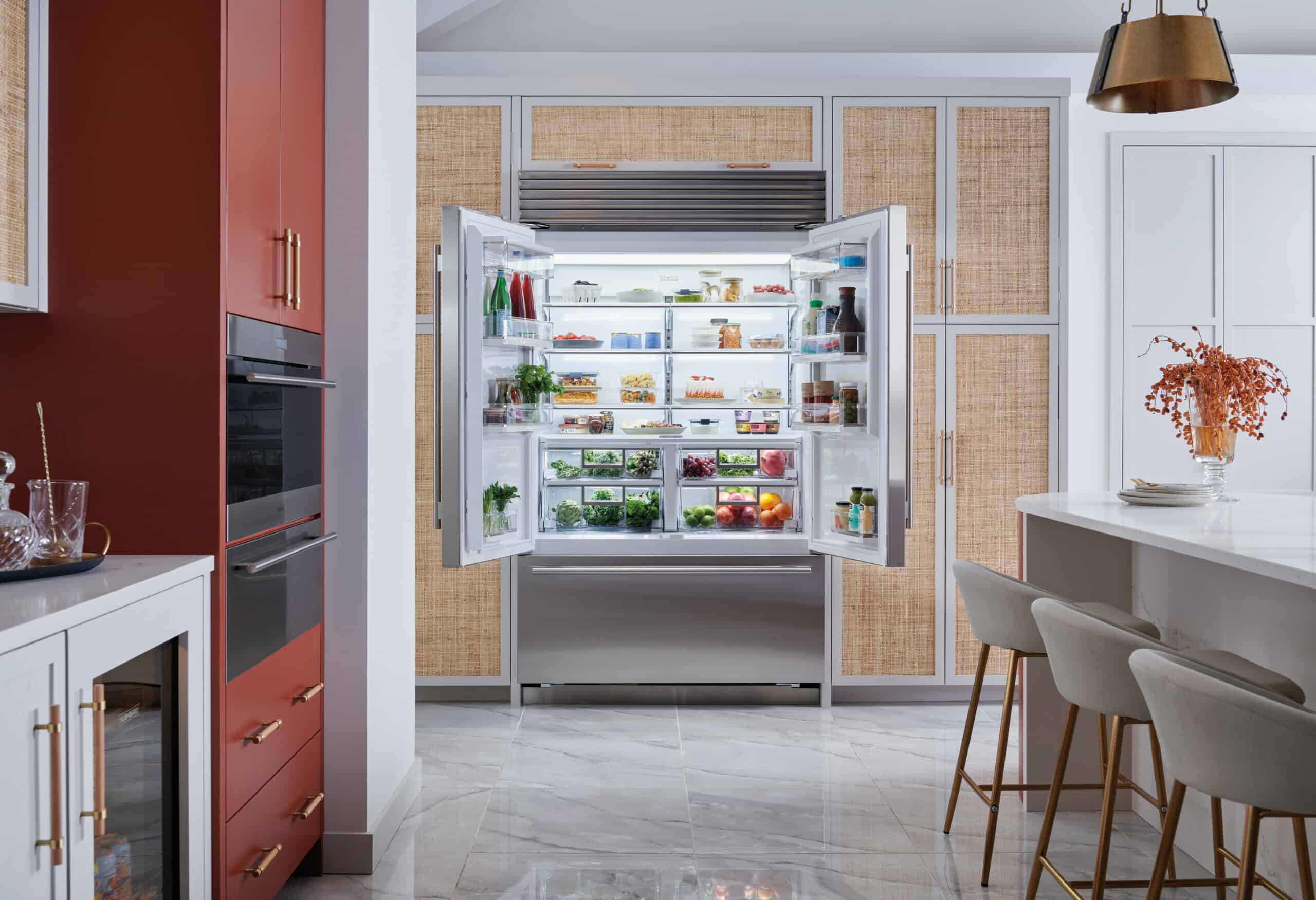
Plan a focused request in Highwood
For a Sub-Zero or Wolf service request in Highwood, start with your exact ZIP code, appliance model and current concern. Confirm address coverage and appointment availability directly by calling (224) 347-1756. This page brings together a focused planning example, owner observations and questions for the visit. It does not represent a separate branch office or a guarantee of arrival time.
A door complaint that appears only after restocking
Imagine noticing that a refrigerator closes normally in the morning but sits slightly open after groceries are put away. Begin by comparing the arrangement of loose contents, not by tightening a hinge. Identify the shelf, bin or drawer near the point of resistance and move only ordinary packages that are safe to handle. Keep a photo of any visible gap if it remains after loose obstructions are cleared. For a Highwood request, explain whether this is a refrigerator door, freezer drawer or wine-storage door; the same word “door” can otherwise describe three different appointments.
Apply the example to your own appliance
The scenario above is a planning example, not a claim about a completed local repair or a failure that occurs more often in this community. Use it only where it matches the condition you can observe. Start by writing one sentence describing the main concern, then add the appliance model and the date it began. If your concern is different, use the related service and guide links below rather than forcing it into this example.
Keep the current symptom separate from older repairs or a maintenance task you also want discussed. An appointment can then be scoped around the work actually requested. Ask whether assessment of more than one appliance requires a separate charge, and identify the person who can approve proposed work. If manufacturer warranty may apply, check the manufacturer service route before authorizing independent paid repairs.
Read the pattern without dismantling the freezer
Describe where the frost is visible before deciding what it means. Frost near a door opening, ice around a drawer and a pattern on an interior surface are not identical observations. A photograph taken during normal access can help preserve the pattern. Do not remove a cover to obtain a better view; an incomplete but safe description is sufficient for the first conversation.
Note whether packages, baskets or drawers interfere with normal closure. If a loose item is the obstruction, reposition it without forcing the door. If the drawer itself is stuck in ice, stop. Pulling harder can damage a mechanism or panel and does not tell you why the ice formed. Tell the service provider exactly what cannot be opened or closed normally.
Include the time history. Explain whether the frost appeared suddenly, developed gradually or returned after an earlier service visit. Mention a door alarm, temperature change or recent power interruption if one occurred. Avoid assigning a cause based on the most recent event; simply place the observations in order.
The model number matters because the internal layout and owner-accessible parts differ. A general internet description of a “frozen drain” or “bad gasket” does not establish the cause on your appliance. The useful objective is to document the visible pattern and ordinary operating conditions so the assessment can begin with evidence.
Know which door observations are useful
A door that looks closed from across the kitchen may still have a closure problem, but appearance alone is not a diagnosis. Describe whether it resists movement, springs back, triggers an alarm or shows a visible gap. Mention any recent adjustment to custom panels or nearby cabinetry. Those details help the service provider understand the installation without asking you to alter it.
Look only at accessible gasket surfaces. Note visible debris, a tear or a section that appears out of position. Do not pull the gasket off or adjust hinges to see whether the frost improves. A change made without model-specific instructions may introduce an additional problem and make the original condition harder to assess.
Explain which door or drawer is involved if the kitchen has several units. A freezer column, combination appliance and undercounter drawer may have different arrangements even when their panels match. Model-label information helps avoid mixing observations from neighboring appliances.
Keep the normal use history in mind. A door left open during unloading and a persistent closure problem should both be reported, but they are not the same event. A service request should distinguish an isolated occurrence from a condition that keeps returning. That distinction helps determine what needs to be checked after any obvious obstruction has been removed.
Understand diagnosis, approval and completion as separate steps
A diagnostic visit is intended to establish the problem and possible next steps. It does not automatically mean that every required part is already available or that the repair will be completed during the same visit. Ask what the diagnostic charge covers and how a proposed repair will be presented before you choose an appointment.
When a recommendation is made, ask how it relates to the original complaint. Clarify the part or task involved, labor, access requirements and any expected follow-up visit. If more than one issue is found, ask which work is necessary for the current problem and which is optional or separate. This helps keep the approval decision concrete.
Confirm how additional findings or changes in scope will be handled. A clear approval process is more useful than an open-ended instruction to do whatever seems necessary. Ask about applicable warranty terms for the proposed work and retain them with the invoice. Do not assume that independent service is covered by a manufacturer warranty.
If the appliance may qualify for manufacturer-warranty work, contact the manufacturer or use its official service locator before authorizing independent paid service. Keep the choice of service route separate from the urgency of an ordinary appointment. For an immediate hazard, obtain appropriate emergency assistance instead of waiting for a routine repair assessment.
Recognize the limits of preventive care
Maintenance can be part of responsible ownership, but it does not guarantee a particular lifespan or eliminate every possible breakdown. A clean accessible area does not establish that controls, sensors or refrigeration components are functioning correctly. Likewise, an appliance that currently appears to work does not make it appropriate to ignore the manufacturer’s care instructions.
If a symptom persists after cleaning, return to the symptom history. Note what was cleaned, when the task was completed and whether anything changed. Do not repeat the same task indefinitely in place of diagnosis. Ask the service provider what an assessment would involve and what information is useful before the visit.
Avoid replacing parts solely as a speculative maintenance measure unless there is a clear, model-specific reason and you understand the proposal. Request an explanation of the expected benefit, cost and alternatives. A recommendation should be evaluated on the facts of your appliance rather than a general claim about what every owner should buy.
For a possible manufacturer-warranty issue, confirm the appropriate service route first. Keep care records and repair invoices together, but do not assume that independent maintenance creates or extends manufacturer coverage. The practical goal is a clear history, suitable routine care and timely assessment when performance changes—not a guarantee that can be inferred from a cleaning checklist.
Bring these details to the scheduling conversation
| Detail | What to prepare |
|---|---|
| Location | Highwood and the exact ZIP code. Give the full property address privately when arranging the visit. |
| Appliance | The model, affected compartment or cooking function, and the most recent normal operation you remember. |
| Access | Any entrance, parking, stair or management requirements that actually apply to this property. |
| Decision maker | The person who can describe the history, approve the proposed scope and receive follow-up information. |
Questions to settle before the visit
Can I chip the ice away to close the drawer?
Avoid sharp tools, force and concentrated heat. They can damage materials or components and may make the original issue harder to assess. Follow the exact model’s owner instructions if a relevant procedure is provided, and seek professional help when access is unclear. Report that the drawer is stuck rather than forcing it to demonstrate the symptom.
Is a damaged gasket always the cause?
Visible gasket damage is useful information, but it does not by itself explain every frost or temperature concern. Note door behavior, the frost location and the time history. Ask how the assessment connects the proposed work to those observations. A diagnosis should consider the appliance and installation rather than selecting the most visible worn part automatically.
Continue with the most relevant guide
Sub-Zero door not closing: an owner observation guide · Related appliance service · Blog & Vlog · Contact and visit preparation
Nearby community pages
Choose your actual community when discussing coverage. Nearby pages share the same independent service contact and do not indicate separate offices.
